How to Find Painting Services in Ames IA for Quality Painting Services
The Complete Checklist for Choosing Professional House Painting Services: What You Need to Know
Choosing quality house painters is more than just picking the first name that is found. A careful approach is vital. Potential clients must consider certifications, experience, and insurance coverage. Evaluating portfolios can reveal the painter's attention to detail. Additionally, asking the right questions and comparing estimates can help avoid costly mistakes. Understanding key contract elements is also essential. What specifics should one focus on to guarantee a successful outcome? The answers may surprise you.
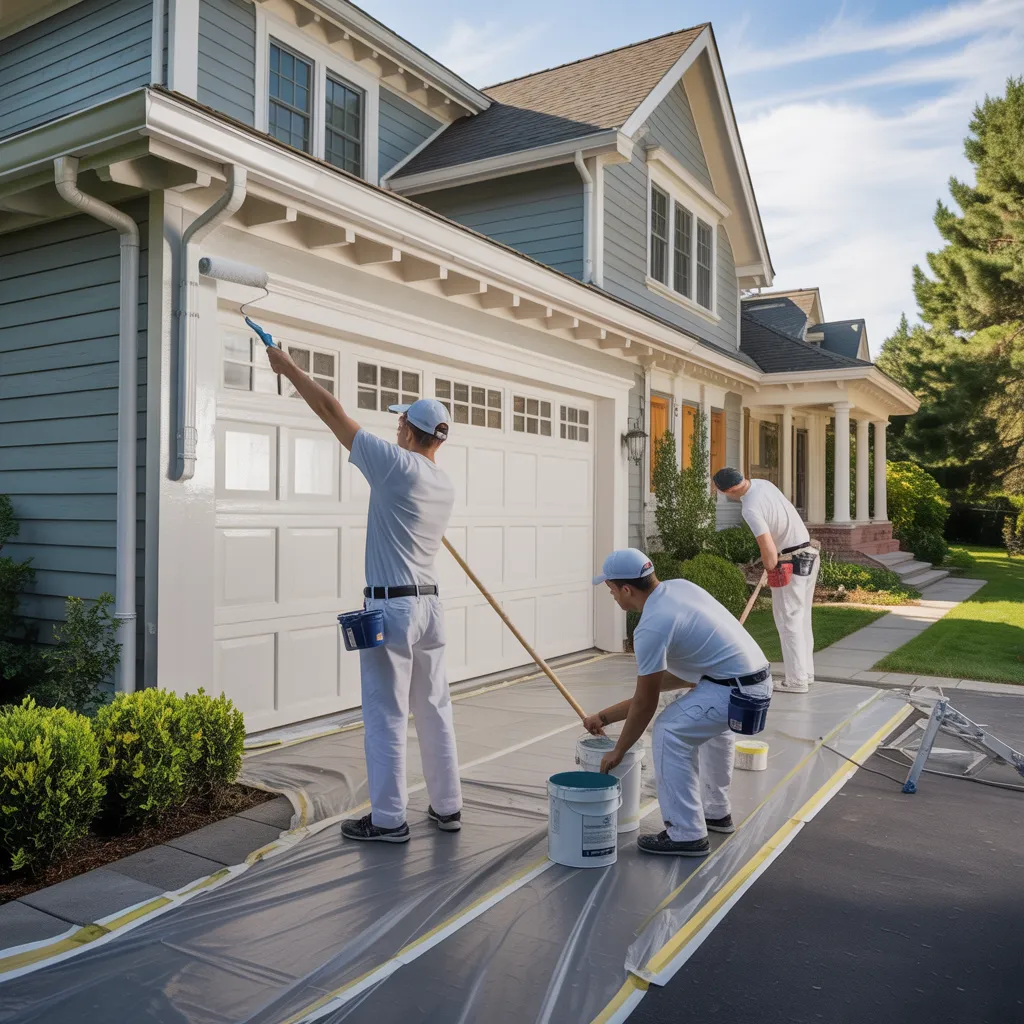
What Abilities Should You Look For in a Painter?
When selecting a house painting contractor, it is vital to evaluate their qualifications to guarantee a superior result. Key qualifications include practical background, which demonstrates the painter's expertise with different methods and products. A proper licensing is essential, as it shows compliance with regional codes and safety protocols. Liability insurance is another critical consideration; it safeguards both the painter and the property owner in case of accidents or damages. Additionally, certifications from reputable organizations can signify advanced training and expertise. Testimonials from past customers provide insight into the painter's reliability and quality of work. Finally, a comprehensive knowledge of color theory and finishes can improve the overall aesthetic of the project. By carefully considering these qualifications, homeowners can choose wisely and select a painter who will deliver satisfactory results.
How to Assess a Painter's Portfolio
Examining a painter's portfolio entails reviewing the collection of projects presented and analyzing the overall quality of their creations. A varied selection of accomplished work can signal versatility and adaptability to various aesthetic preferences and requirements. Furthermore, meticulous regard for specifics in the portfolio can reveal the painter's ability level and devotion to excellence.
Assess Project Variety
Examining a painter's portfolio shows the range and extent of their experience and skills. A varied portfolio exhibits the painter's aptitude to handle different styles, techniques, and project types, from residential interiors to commercial exteriors. Prospective clients should identify examples showcasing varied color schemes, finishes, and surface treatments, which demonstrate versatility. Furthermore, examining work of multiple dimensions can give perspective on the painter's flexibility and organizational abilities. It is similarly vital to assess how effectively the painter has executed challenging work, as this reflects their ability to manage special requirements. In the end, a well-rounded portfolio not only emphasizes artistic talent but also assures clients of a painter's proficiency across multiple contexts and requirements.
Review Quality of Work
Judging the quality of a painter's work requires a keen eye for detail and knowledge of craftsmanship. An in-depth portfolio reveals a painter's versatility and skill. Clients should look at before-and-after photos, focusing on smooth finishes, clean lines, and consistent color application. It is crucial to review a variety of projects, including different styles and techniques, to assess the painter's adaptability. Testimonials and client reviews can provide insight into the painter's reliability and professionalism. Moreover, visiting completed projects, whenever possible, enables firsthand assessment of workmanship. Ultimately, a comprehensive evaluation of a painter's portfolio will help in deciding if they fulfill the desired standards for quality and visual appeal.
Essential Questions to Pose to Your House Painter?
When choosing a house painter, what crucial questions should homeowners consider to confirm a positive project? First, they should ask about the painter’s experience and references. Understanding how long the painter has been in business and looking at past client testimonials can provide valuable insight into their dependability. Homeowners should also ask about the type of paint and materials the painter uses, making sure they are top quality and appropriate for the particular job. In addition, it is essential to clarify the timeline for project completion and whether there are any potential delays. Homeowners should discuss the approximate cost, including labor and materials, to avoid surprise costs later. Finally, they must check whether the painter offers warranties or guarantees on their work, providing confidence of quality and longevity. By asking these critical questions, homeowners can make informed decisions and help ensure a seamless painting experience.
Tips for Assessing House Painter Estimates
After collecting key information through consultations, homeowners typically get multiple quotes from various house painters. To properly compare these bids, it is crucial to consider more than the overall cost. Homeowners should review the scope of work outlined in each estimate, ensuring that all painters are charging for the same jobs, including surface preparation, paint layers, and kind of supplies used.
Furthermore, reviewing the planned schedule for project completion can highlight gaps in performance. Homeowners should also factor in the credibility and qualifications of each painter, as lower costs may reflect a lack of quality or reliability.
Ultimately, it's beneficial to assess any warranties or warranties offered, as these can provide insight into the painter's confidence in their work. By thoroughly examining these factors, homeowners can make an informed choice that guarantees they choose a quality house painter who fulfills their specific needs.
Critical Contract Elements Needed to Secure Quality Paint Work
A carefully prepared contract is essential for obtaining high-quality painting services. It should explicitly valuable guide detail the extent of the project, identifying the areas to be painted and the types of materials to be used. This transparency helps prevent misunderstandings and ensures that both parties have matching expectations.
The contract must also contain a detailed timeline that shows start and completion dates. Payment terms should be explicitly defined, detailing deposit amounts and final payment conditions. In addition, it is necessary to include provisions for liability and insurance coverage, which protect the homeowner from possible damages during the project.
Warranties covering workmanship and materials must be established to guarantee strength and standards. Finally, adding a section for dispute resolution can deliver a clear framework for managing any issues that could emerge. These key elements collectively contribute to a successful painting project, providing both quality and satisfaction for the homeowner.
Verify Quality Output After the Painting Job
Preserving quality work after a painting job necessitates careful inspection and regular care. Homeowners should conduct a detailed assessment to uncover any shortcomings, such as drips, skipped areas, or inconsistent finish. These defects should be noted and communicated to the paint company promptly, allowing for speedy remediation.
Furthermore, maintaining the paint finish is crucial for longevity. Homeowners should avoid harsh cleaning products and instead use mild solutions that won't damage the paint. Frequently inspecting for indicators of damage, such as peeling or fading, can help address issues before they worsen.
It is also recommended to create a follow-up schedule with the painting professional. Some contractors offer guarantees or maintenance work, guaranteeing continuous excellence. By staying proactive, property owners can prolong the durability of their paint job and preserve the aesthetic appeal of their property, ultimately enhancing its value.
Often Posed Questions
How much time Will the paint job Take to finish?
A painting project timeframe can vary considerably, generally spanning from a few days to several weeks. The timeline is determined by factors such as the size of the project, difficulty, weather conditions, and the painter's experience level.
What Styles of Paint Would You Advise for My House?
Quality painting professionals commonly recommend acrylic latex for interior spaces due to its durability and easy cleanup, while outdoor surfaces gain advantages with oil-based paints for climate protection. Additionally, eco-conscious choices are increasingly preferred for homeowners focused on wellness.
Do You Provide Any Warranties or Guarantees for Your Work?
Many respected house painters offer warranties or guarantees for their projects, ensuring customer satisfaction and confidence in the caliber of their work. It's recommended for homeowners to ask regarding exact conditions before employing a painter.
Will You Clean up After the Job Is Complete?
Most established house painters guarantee comprehensive cleaning after completing the job. They commonly remove any waste, paint drips, and materials used, leaving the space neat and in condition for the homeowner's enjoyment and use.
Can you share references from past customers?
Experienced house painters should willingly present contact information from prior customers. These references demonstrate their professionalism, workmanship, and reliability, assisting prospective clients in choosing well informed by others' positive experiences with their services.